
Your living room is more than just a place to sit. It is where you relax after a long day, welcome guests, and create memories with family. The right living room decor ideas can transform an ordinary space into a warm, stylish, and inviting environment without requiring a complete makeover.
From decorative vases and elegant cushions to thoughtful lighting and coffee table accessories, small details can make a significant difference. The secret is choosing pieces that complement your interior, reflect your personality, and create a balanced look.
In this guide, discover nine practical ways to style your living room with timeless home décor.
1. Start with a Neutral Colour Palette
A well-balanced colour palette creates the foundation for a beautiful living room. Neutral shades such as beige, cream, white, taupe, and soft grey work well with different interior styles and remain appealing over time.
Start with a neutral base for your walls, sofa, and larger furniture pieces. Then introduce accent colours through cushions, decorative objects, artwork, and vases.
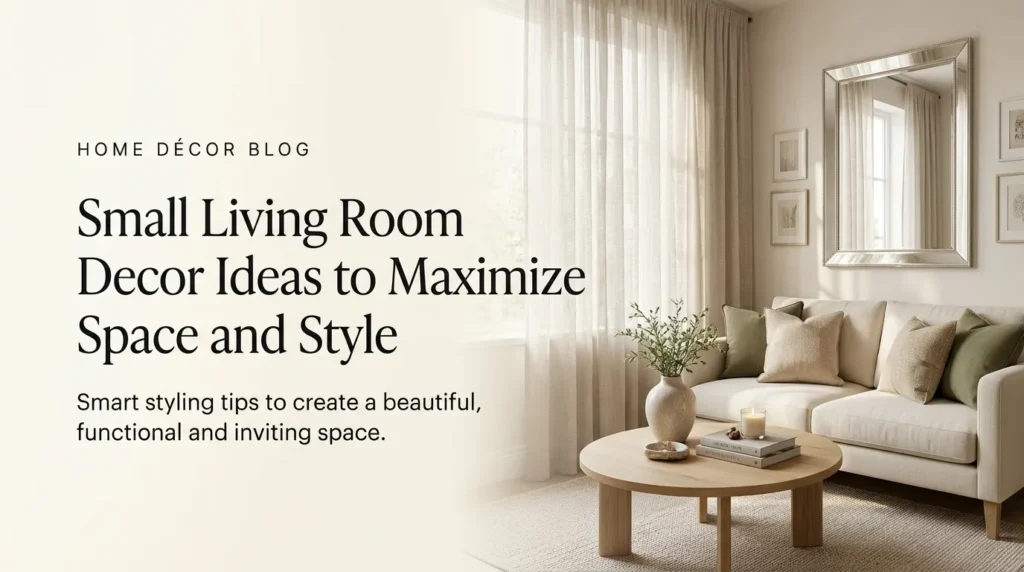
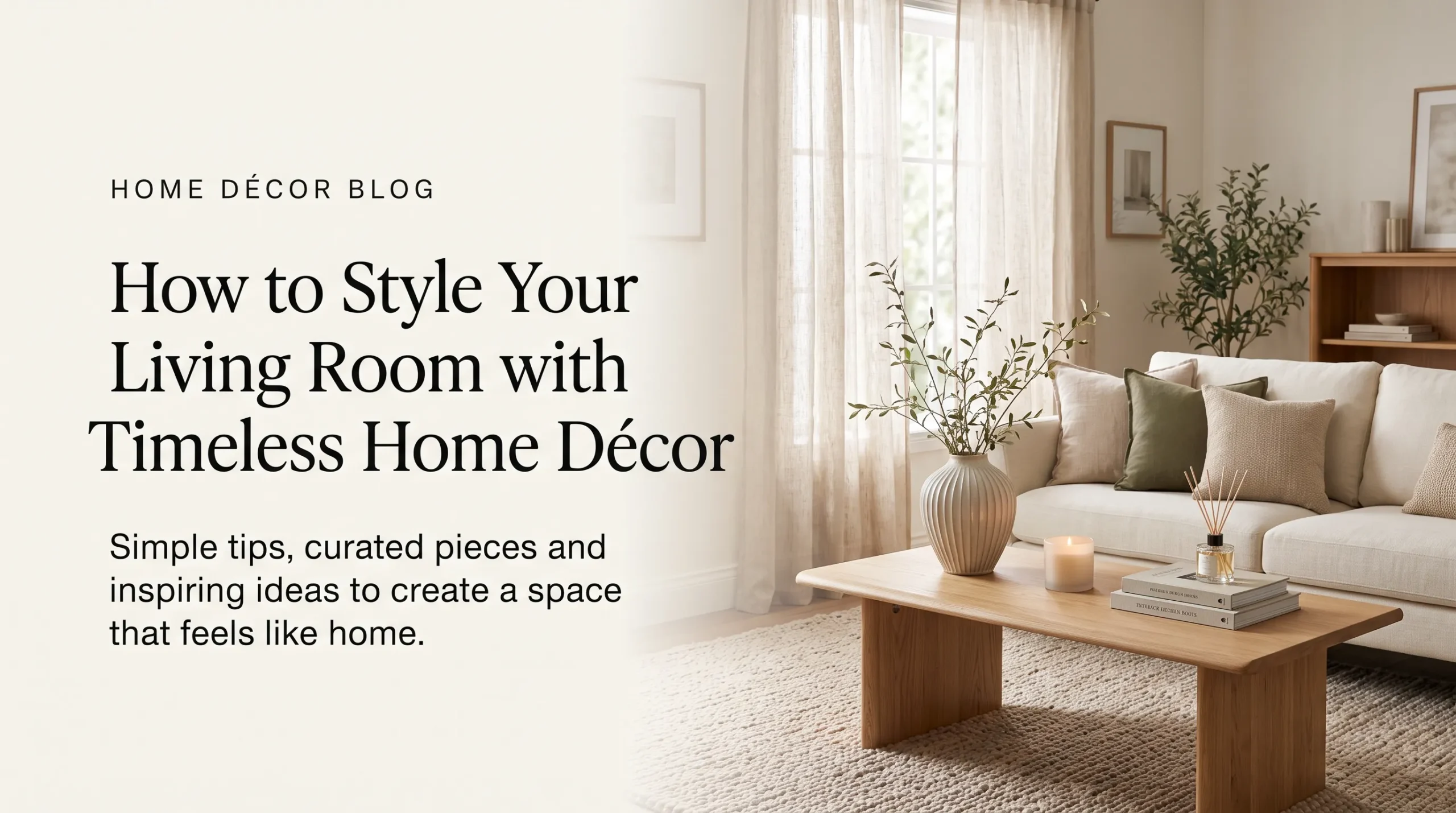
For example, a cream sofa paired with olive green cushions, a wooden coffee table, and ceramic accessories can create a sophisticated and welcoming atmosphere.
Styling tip: Choose two or three complementary colours and repeat them throughout the room to create a cohesive appearance.
2. Choose Decorative Pieces That Make an Impact
The best living room decor ideas focus on quality, balance, and thoughtful placement rather than filling every available surface with accessories.
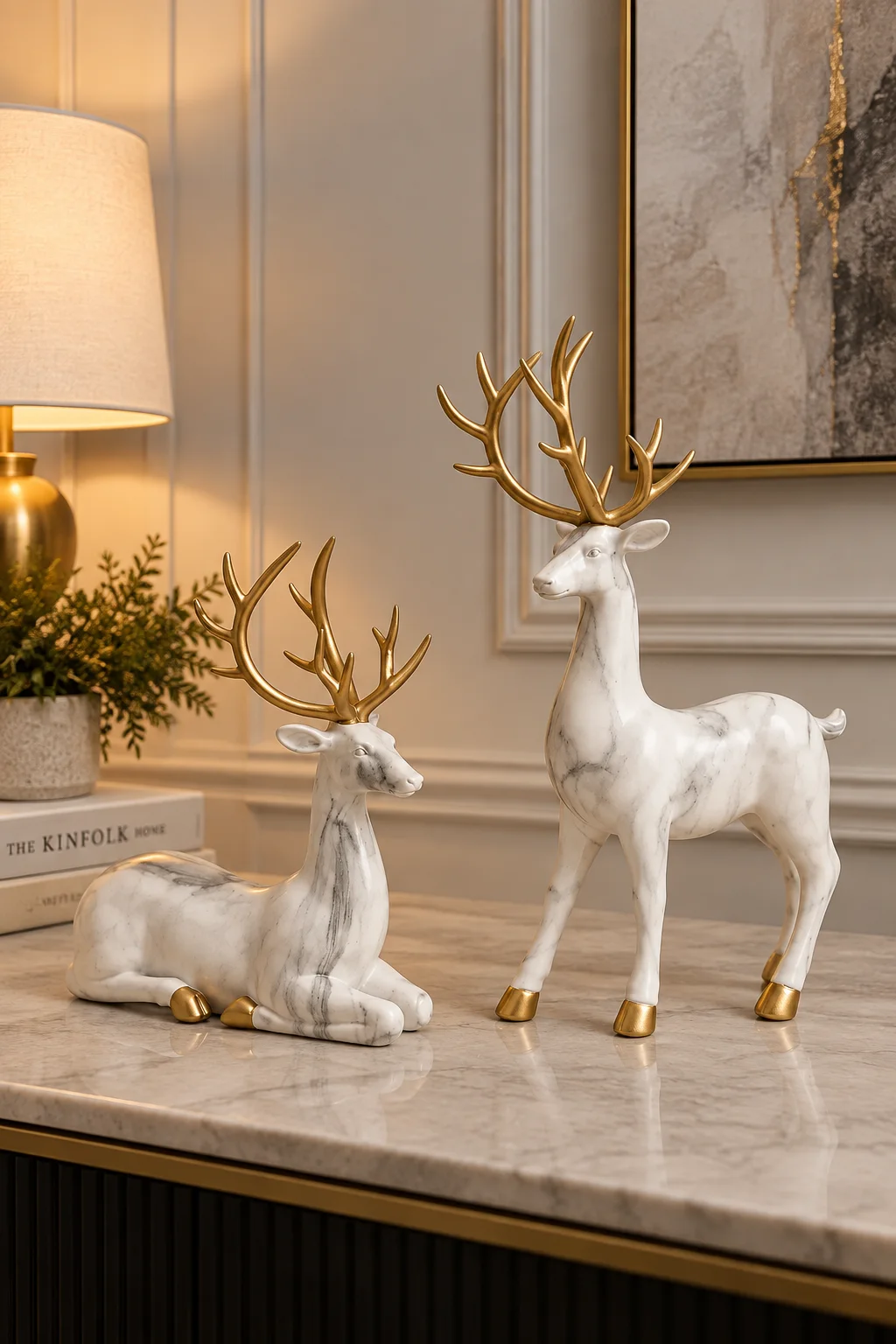
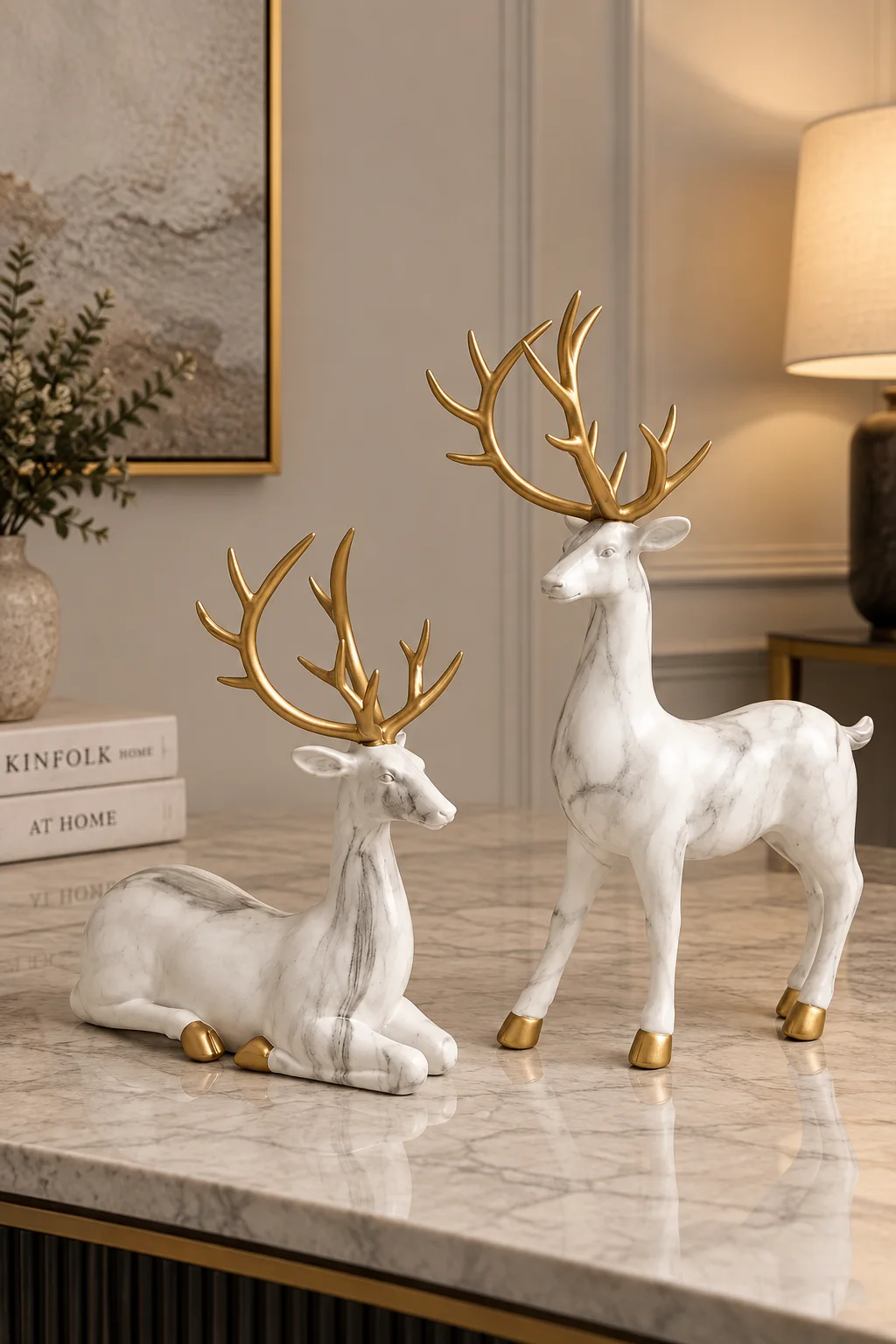
Decorative vases, sculptural ornaments, elegant bowls, and carefully selected accent pieces can add personality without making a room feel crowded.
When selecting home accessories, consider the proportions of your furniture. A large coffee table may benefit from a statement vase or a group of decorative objects, while a smaller side table usually looks better with one or two carefully chosen pieces.
Look for interesting shapes, natural textures, and finishes that complement your existing furniture.
Styling tip: Leave some empty space around your decorative pieces. A little breathing room helps each item stand out.
3. Style Your Coffee Table Like a Professional
A coffee table is one of the easiest places to introduce personality into your living room. With a few well-chosen accessories, you can create an arrangement that looks polished without feeling overly formal.
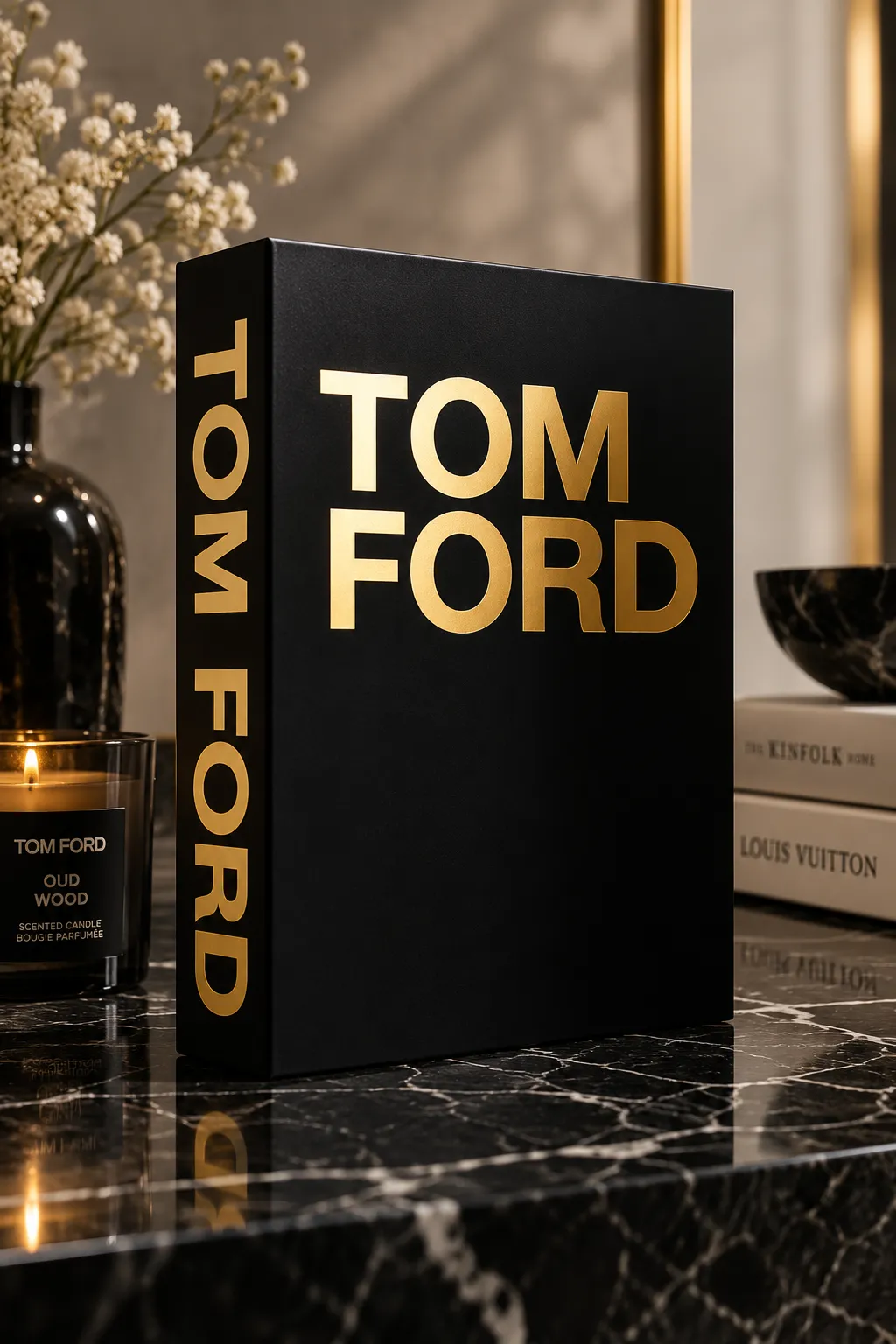
Begin with a small stack of decorative books. Add a ceramic vase, a decorative bowl, or a candle to introduce different heights and textures.
For a natural look, combine wood, ceramic, glass, and other complementary materials. You can also add a small plant or fresh flowers for a touch of greenery.
Keep the arrangement practical by leaving enough room for drinks and everyday use.
Styling tip: Arrange objects in groups of two or three, vary their heights, and avoid making the coffee table feel overcrowded.
4. Add Texture with Cushions and Throws
Texture makes a living room feel comfortable and visually interesting. Even a simple neutral interior can feel layered and inviting when you combine different fabrics and materials.
Soft cushions, knitted throws, linen curtains, and textured rugs are excellent ways to introduce warmth.
If your sofa is a single colour, mix cushions in complementary shades and different textures. For example, pair smooth cotton cushions with a woven cushion and a soft throw in a coordinating colour.
Choose textures that work with your overall design rather than introducing too many unrelated patterns.
Styling tip: Mix a few complementary textures while keeping your colour palette consistent for a refined, effortless look.
5. Use Vases and Greenery to Add Life
Vases are versatile decorative accessories that can enhance almost any living room. Their shapes, colours, and finishes can create visual interest even when they are displayed without flowers.
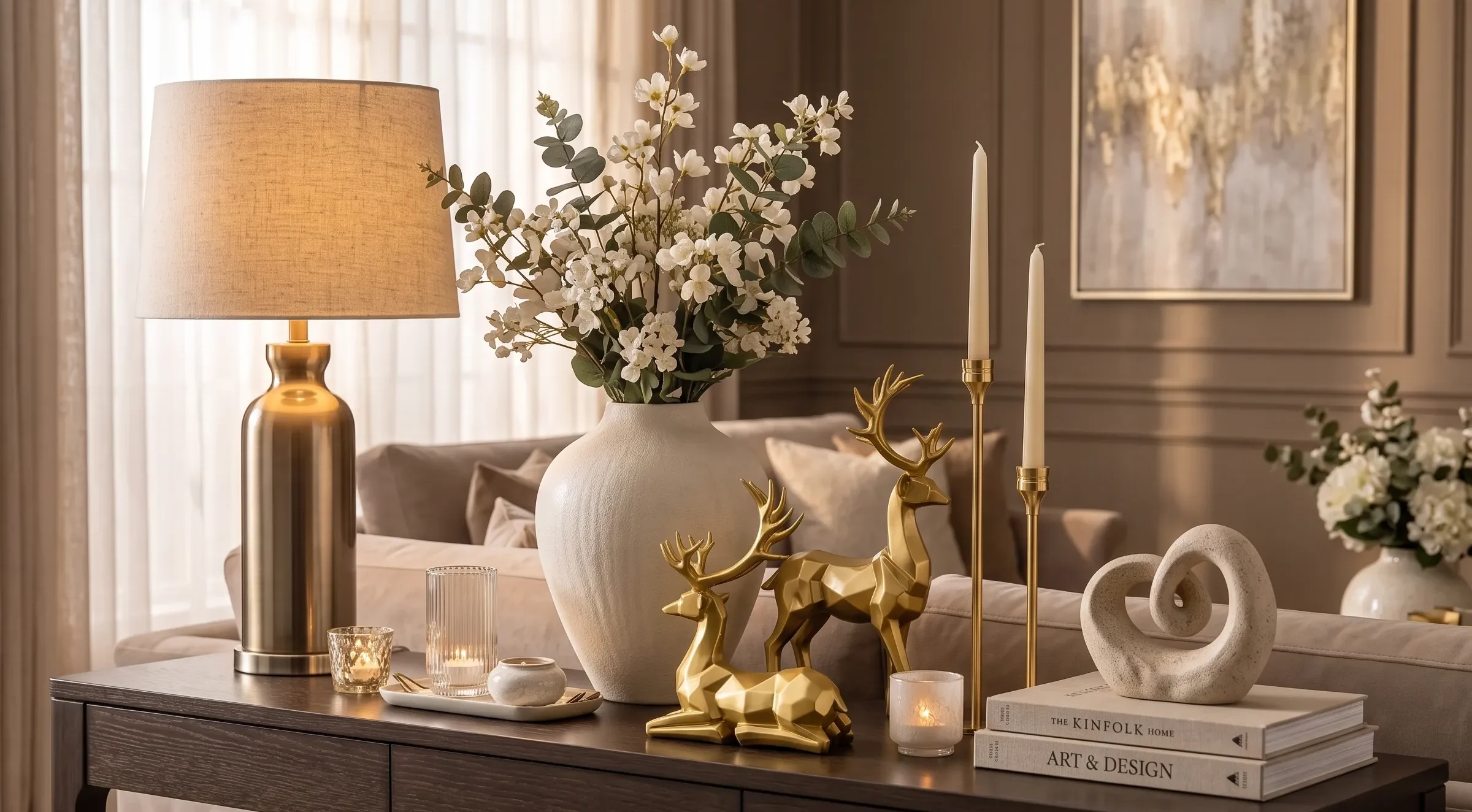
Place a sculptural vase on a console table, arrange a pair of smaller vases on a shelf, or use a statement piece as the focal point of your coffee table.
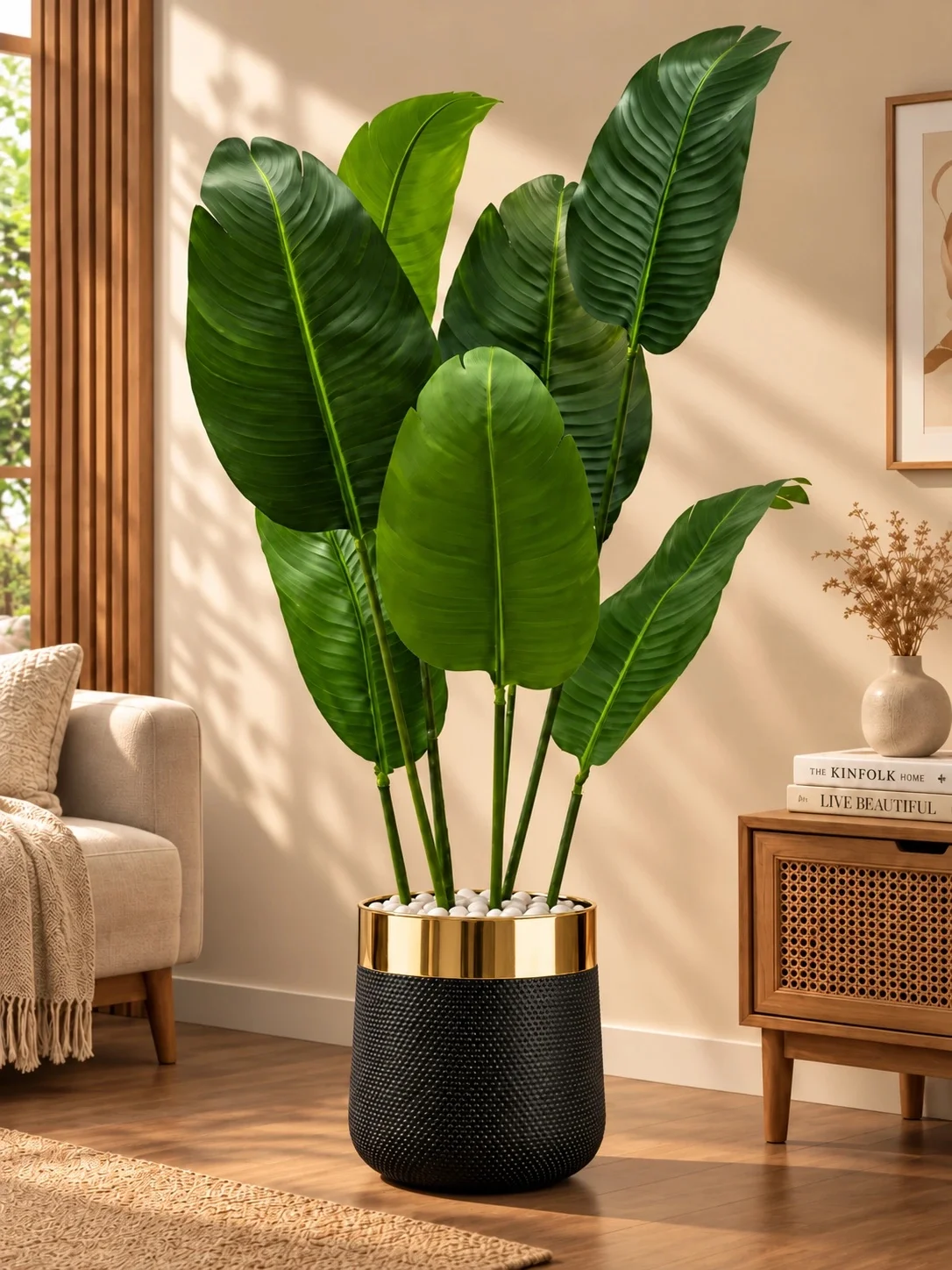
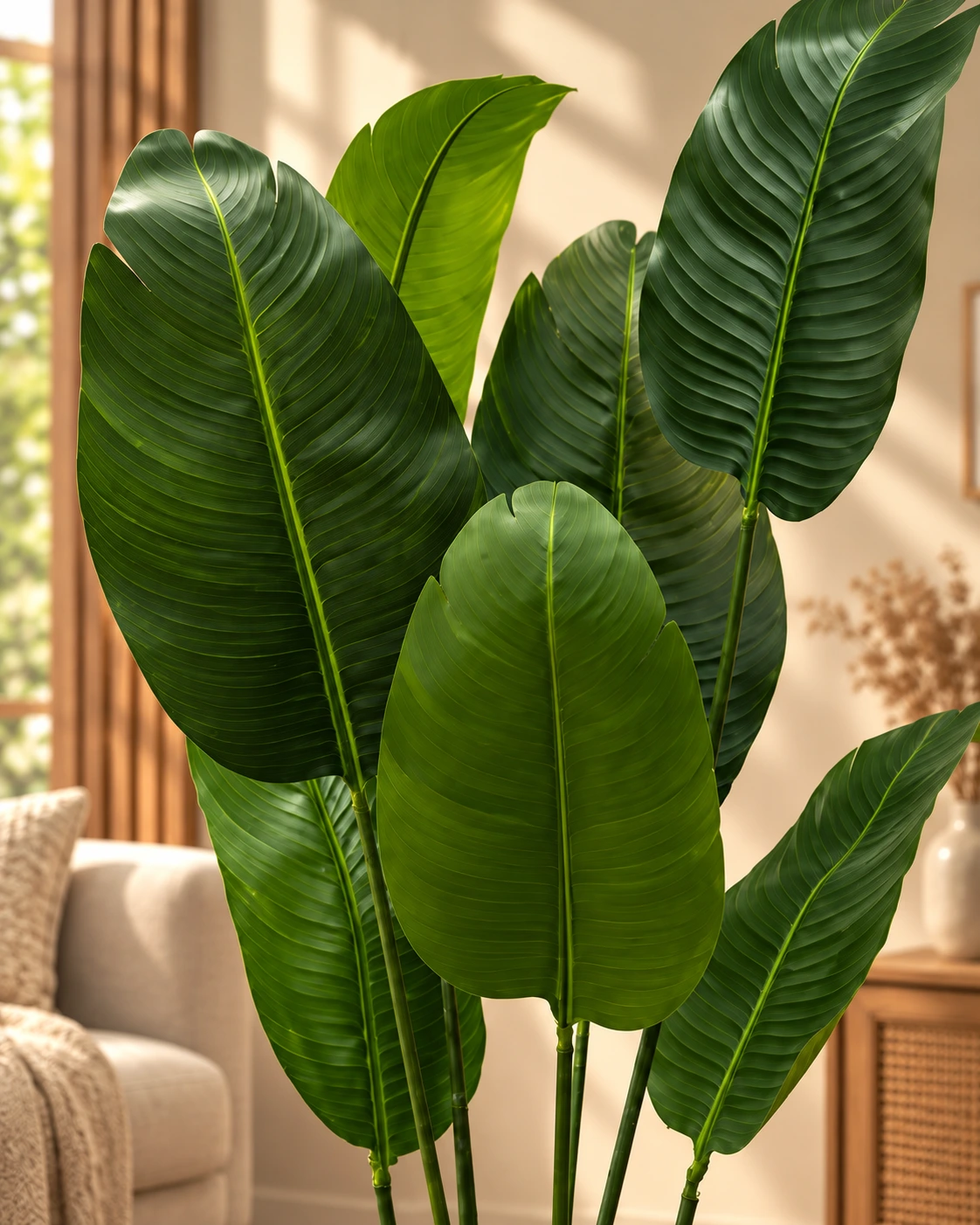
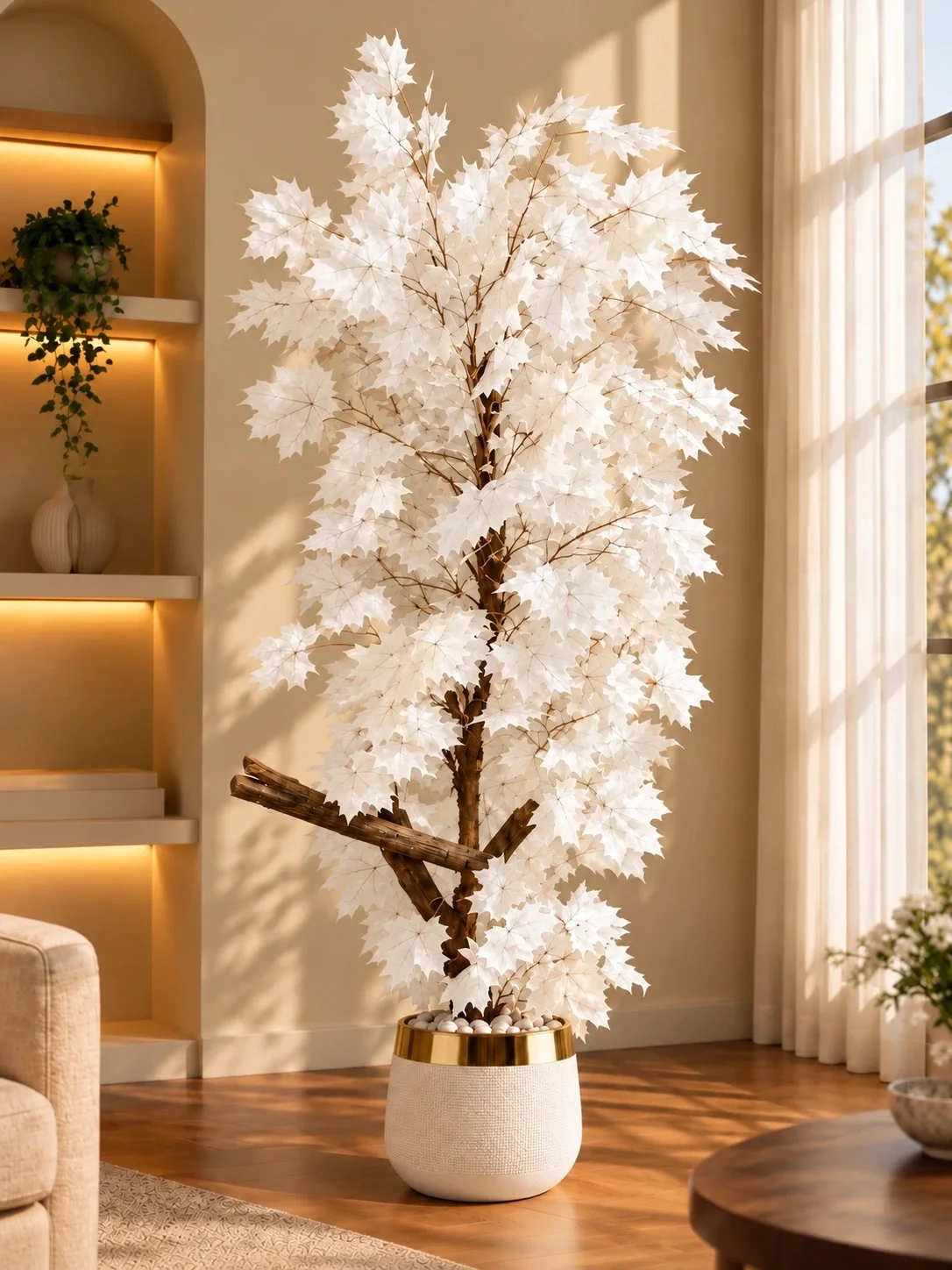
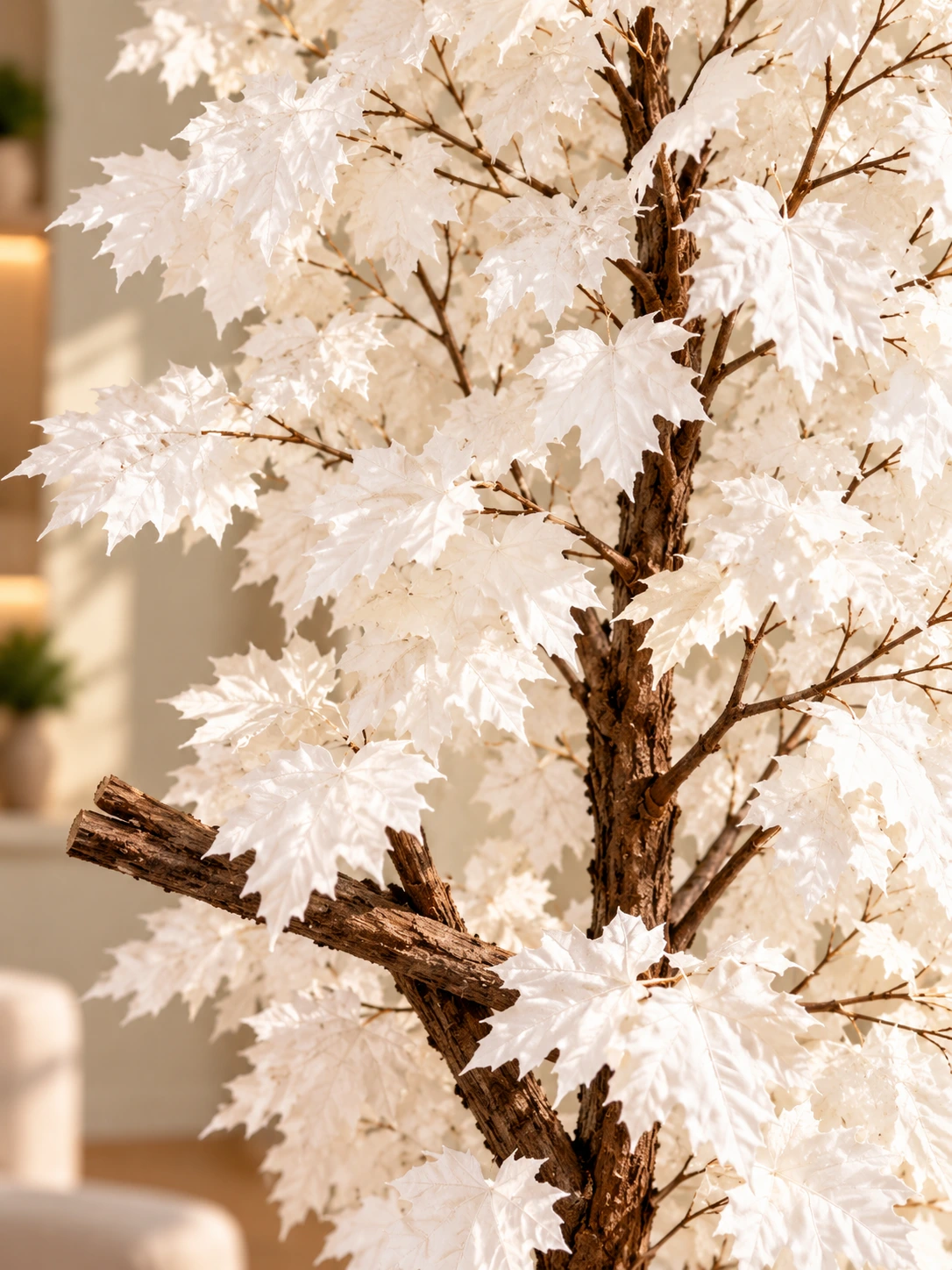
Greenery can make these arrangements feel more natural. Fresh branches, dried stems, or realistic artificial plants can introduce height and softness without overwhelming the room.
Consider the scale of your furniture when choosing a vase. Taller pieces often suit consoles and floor arrangements, while smaller designs work well on side tables and shelves.
Styling tip: Choose vases that complement your interior’s materials and colors so your accessories feel connected to the rest of the room.
6. Create Warmth with the Right Lighting
Lighting influences how your living room looks and feels. A room with thoughtful lighting can appear more comfortable, relaxing, and welcoming, particularly during the evening.
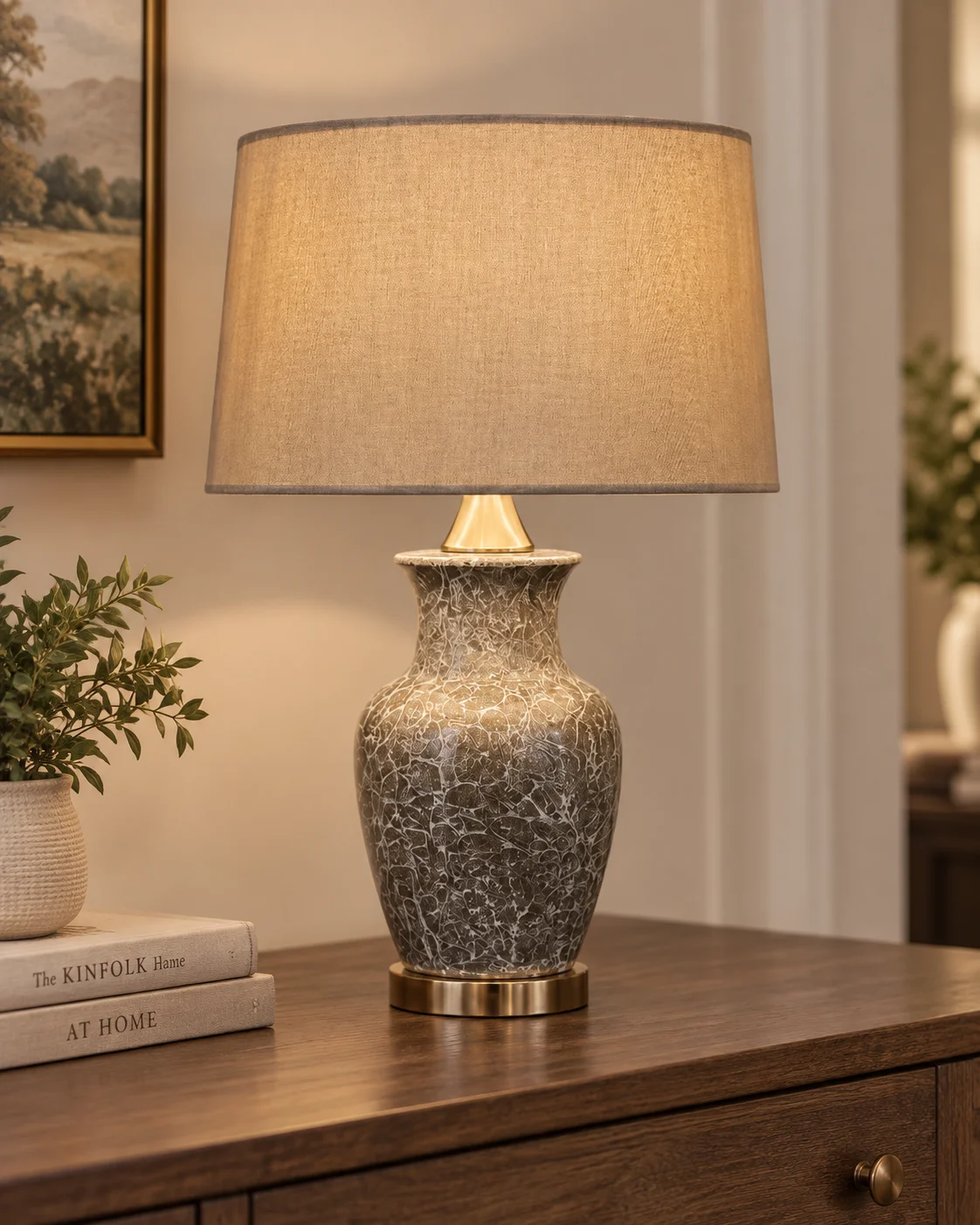
Instead of relying entirely on overhead lighting, introduce multiple light sources. Table lamps, floor lamps, wall lights, and decorative candles can help create a softer atmosphere.
Choose warm-toned lighting for a cosy setting, and position lamps where they provide useful illumination without creating harsh glare.
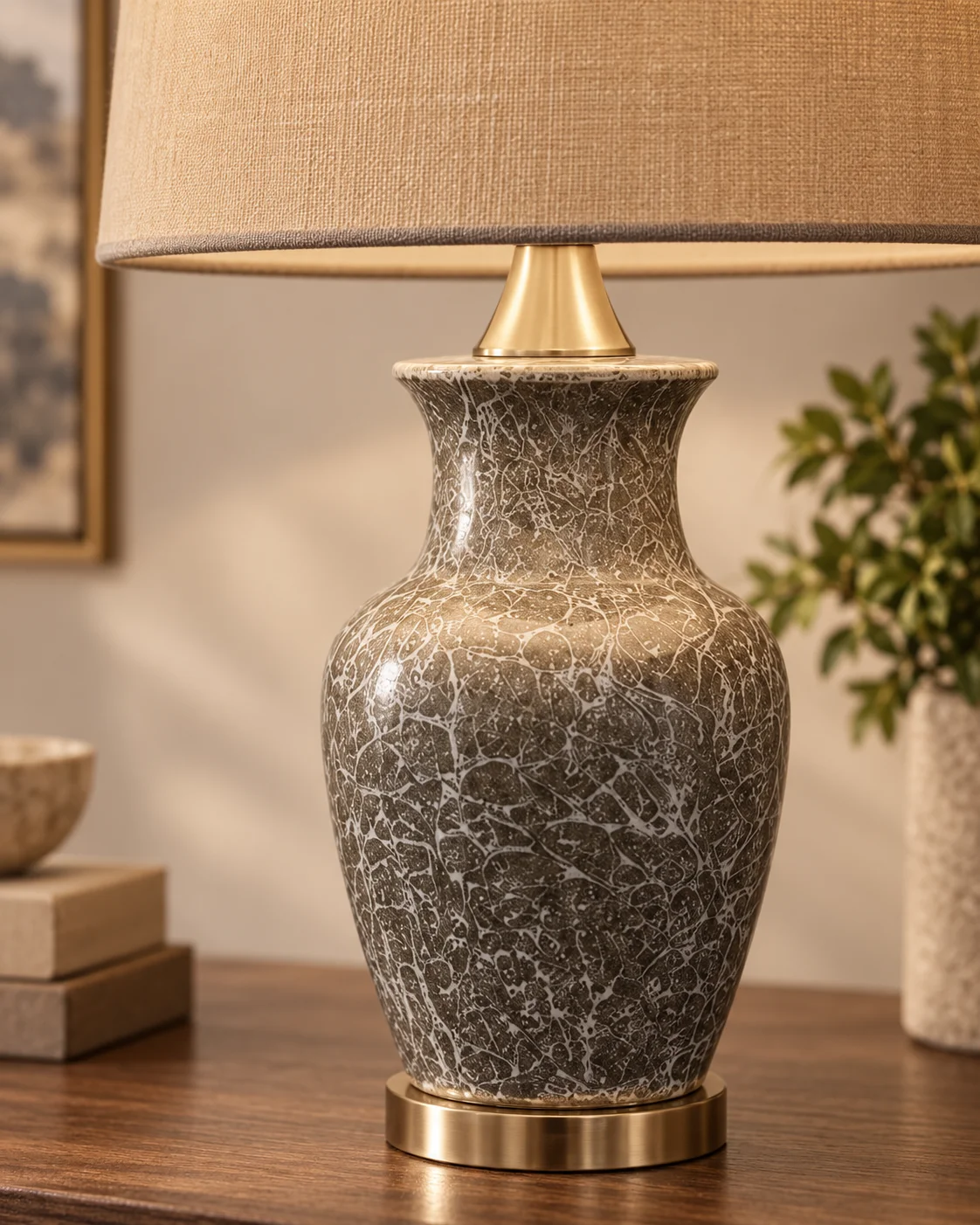
Decorative lighting can also become part of your interior design. A sculptural table lamp, for instance, can function as both a practical light source and an attractive accent.
Styling tip: Combine general lighting with softer accent lighting to create depth and flexibility throughout the day.
7. Decorate Your Walls with Intention
Empty walls can make a living room feel unfinished, but decorating every wall is not necessary. The goal is to choose pieces that complement the space and create a natural visual balance.
Artwork, framed prints, decorative mirrors, and wall sculptures can add character while reinforcing your interior style.
A large artwork above the sofa can create a focal point, while a carefully arranged gallery wall can introduce a more personal touch.
Pay attention to scale and placement. Artwork that is too small may look disconnected from large furniture, whereas oversized pieces can overwhelm a compact room.
Styling tip: Consider the width of the furniture beneath your artwork and maintain consistent spacing between pieces in a gallery arrangement.
8. Avoid Clutter and Keep the Space Balanced
A stylish living room does not need dozens of accessories. In many cases, fewer carefully selected pieces create a more elegant result.
Start by removing objects that do not serve a practical or decorative purpose. Organise everyday items in baskets, trays, or closed storage, then display your favourite accessories where they can be appreciated.
Balance is equally important. If one side of a room contains a large decorative object, consider how the opposite side feels in comparison. You do not need perfect symmetry, but the overall arrangement should feel visually comfortable.
Remember to maintain clear walking paths and leave enough space for everyday activities.
Styling tip: Before adding another accessory, ask whether it improves the room’s appearance or simply adds more visual clutter.
9. Finish Your Space with Thoughtful Accessories
The finishing touches often bring an entire living room together. These small details can connect colours, introduce texture, and make the space feel more personal.
Consider decorative trays, ceramic bowls, accent sculptures, stylish bookends, candle holders, and carefully selected ornaments.
Rather than purchasing accessories simply because they are popular, choose items that suit your space and complement pieces you already own.
You can also refresh your living room seasonally by changing cushion covers, introducing different decorative stems, or rearranging existing accessories. Small updates can create a fresh look without replacing your furniture.
Styling tip: Choose accessories that balance beauty with everyday practicality, especially in frequently used areas.